← LEARN AI
LEARN · 02

The People Behind AI

AI isn't an abstract force. It's built by people with specific beliefs, incentives, and blind spots. Understanding who they are helps you understand where the technology is heading.

01

The Pioneers

The minds that built the theoretical foundation
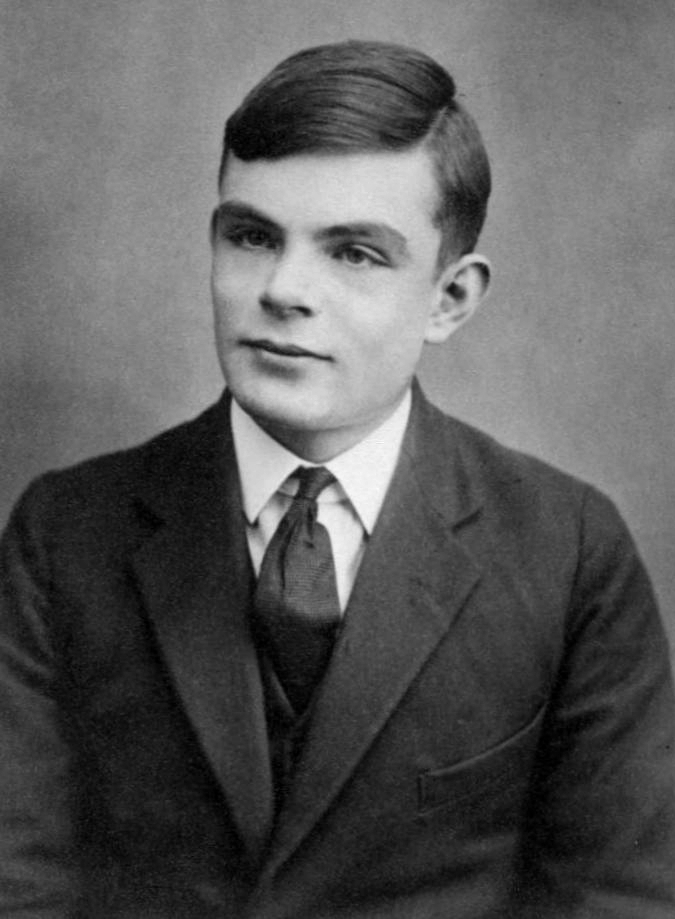
Alan Turing

Alan Turing

1912–1954 · Mathematician
Asked 'Can machines think?' in 1950 and proposed the Imitation Game. His Turing machine established the mathematical foundation for all computation. Died at 41, decades before his ideas were proven right.
Photo: Public domain
John McCarthy

John McCarthy

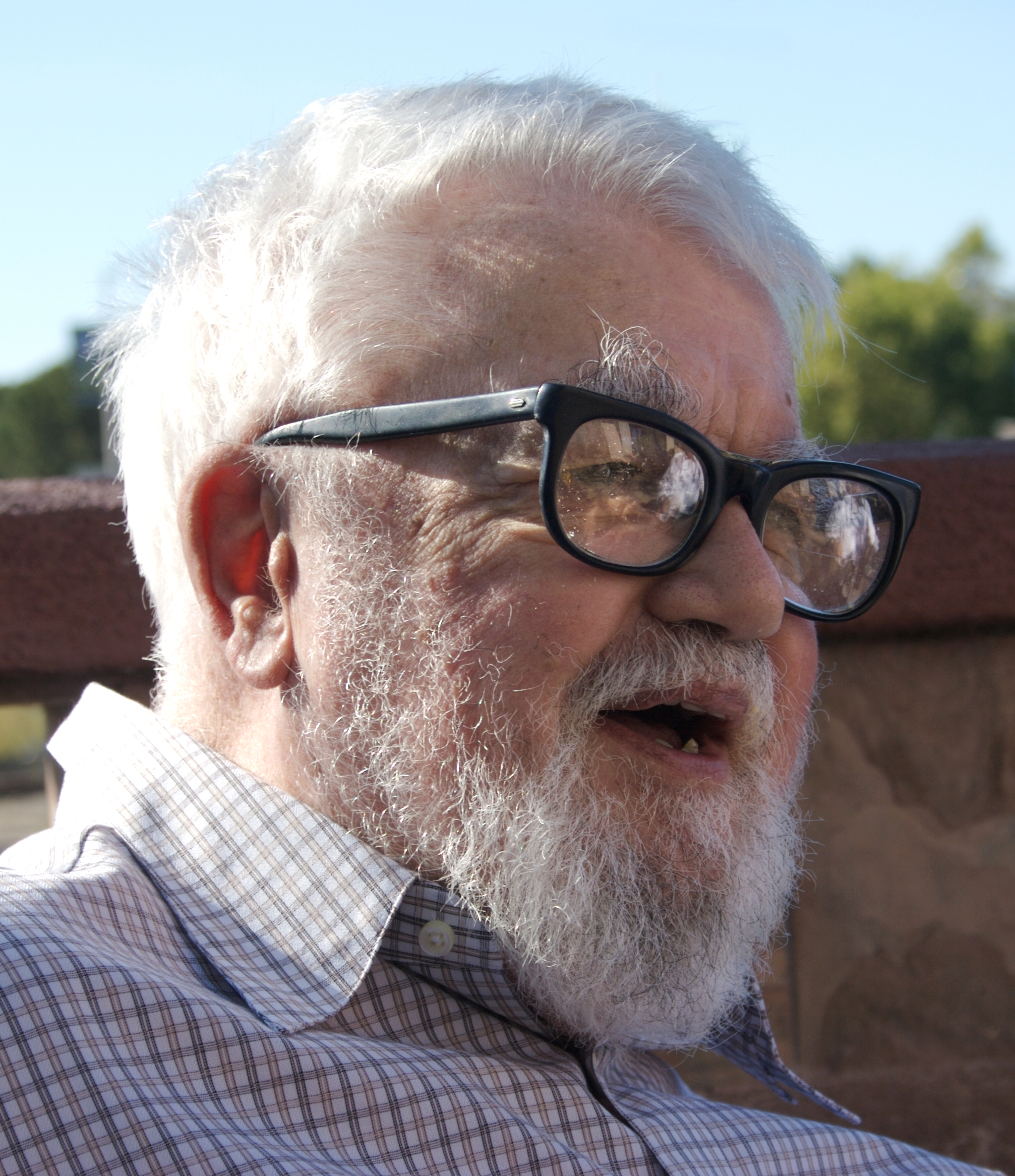
1927–2011 · Stanford
Coined 'artificial intelligence' in 1955, organized the Dartmouth Workshop that launched the field, and created LISP. His proposal predicted AI would take one summer to solve. It took seventy years.
Photo: Null0, CC BY-SA 2.0
02

The Deep Learning Revival

They kept neural networks alive through two AI winters
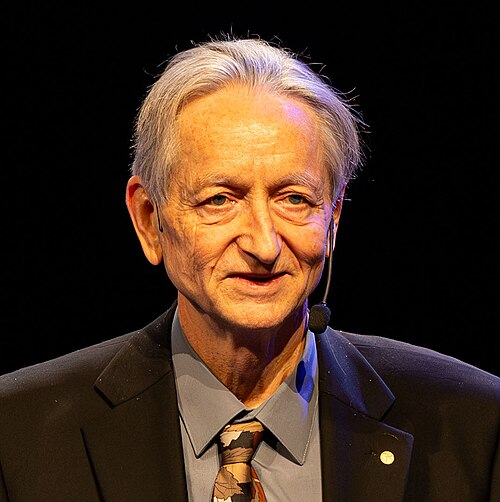
Geoffrey Hinton

Geoffrey Hinton

Godfather of AI · 2024 Nobel Laureate
Co-authored the backpropagation paper, spent 30 years proving deep networks work, won the Turing Award and Nobel Prize, then left Google to warn about AI risks. The person most responsible for building the technology is now one of its most prominent critics.
Photo: Ramsey Cardy / Collision, CC BY 2.0
Yann LeCun

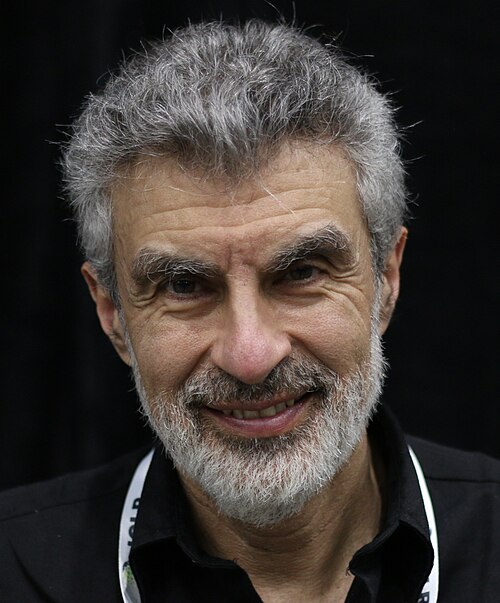
Yann LeCun

Chief AI Scientist, Meta · Turing Award
Developed convolutional neural networks — the architecture that made image recognition work. Now leads AI at Meta and is the field's most vocal advocate for open-source models and against AI doomerism.
Photo: Sylenius, CC BY-SA 4.0
Yoshua Bengio

Yoshua Bengio

Scientific Director, Mila · Turing Award
Pioneered recurrent neural networks and word embeddings that led to modern language models. Unlike his Turing Award co-laureates, Bengio has become increasingly focused on AI safety, arguing for international governance before the technology outpaces control.
Photo: Mila, CC BY-SA 4.0
03

The Builders

The executives making billion-dollar bets
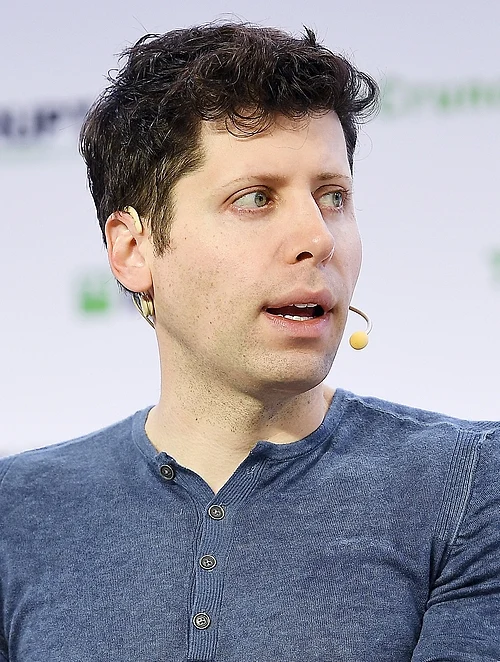
Sam Altman

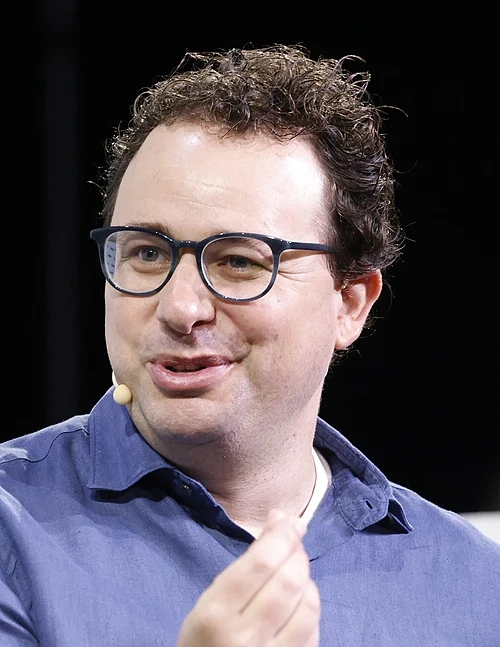
Sam Altman

CEO, OpenAI
Former Y Combinator president who became the face of the AI revolution. Oversaw ChatGPT and GPT-4, survived a boardroom crisis, and is now leading OpenAI's transition from nonprofit to capped-profit — defining the tension between AI idealism and commercial reality.
Photo: TechCrunch, CC BY 2.0
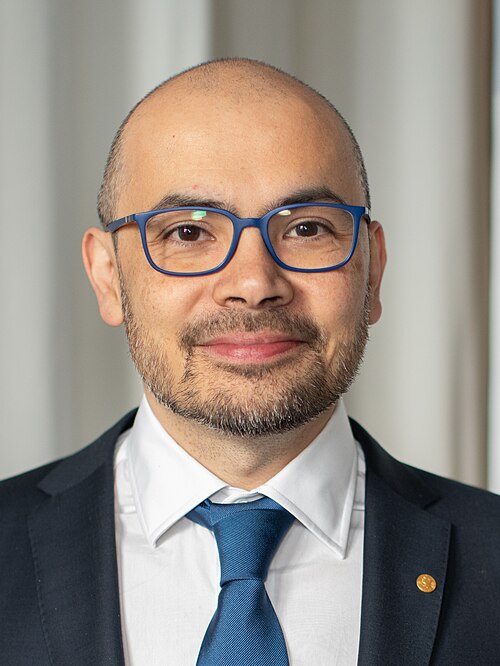
Dario Amodei

Dario Amodei

CEO, Anthropic
Left OpenAI to co-found Anthropic around the thesis that safety research and frontier capability must coexist. Built Claude to compete with GPT while emphasizing constitutional AI and interpretability.
Photo: Nobel Prize Outreach, CC BY-SA 4.0
Jensen Huang

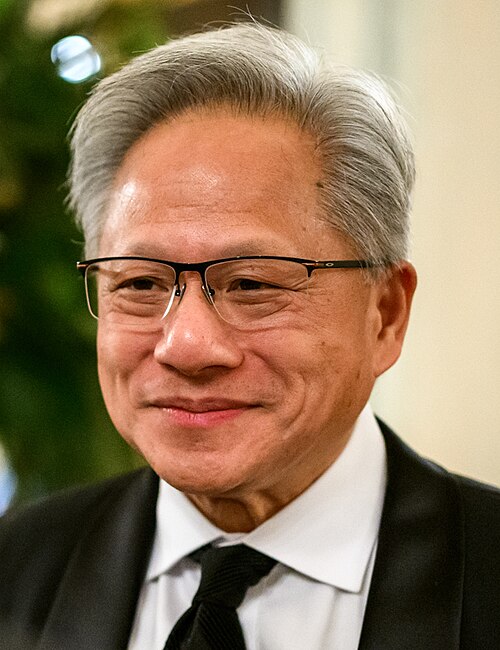
Jensen Huang

CEO, NVIDIA
Co-founded NVIDIA to make gaming graphics chips. Those same chips now power every frontier AI model. Bet the company on AI compute before anyone else saw the market — making NVIDIA one of the most valuable companies in history.
Photo: NVIDIA, Public domain
04

The Critics

The voices arguing speed without caution is reckless
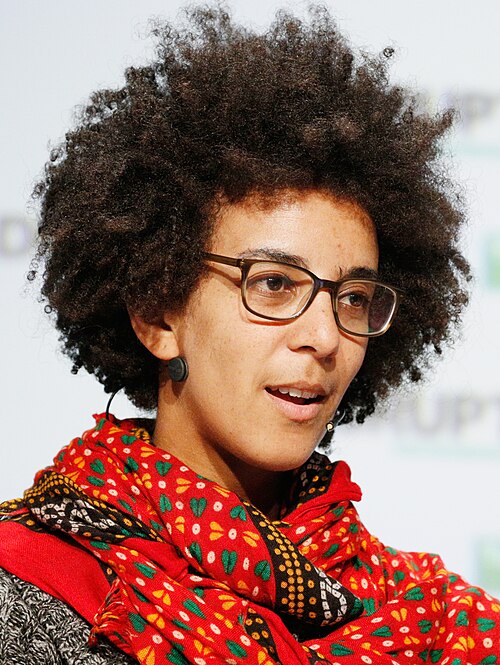
Timnit Gebru

Timnit Gebru

Founder, DAIR Institute
Left Google over a paper on bias in large language models. Founded DAIR to study AI harms independently. Her work centers on how AI systems encode inequality — and who bears the cost when they fail.
Photo: TechCrunch, CC BY 2.0
Gary Marcus

Gary Marcus

NYU Professor · AI Skeptic
Deep learning's most persistent critic. Argues LLMs can pattern-match but not reason, and scaling won't fix it. Whether he's right that we need a fundamentally different approach is one of the field's most important open questions.
Photo: CC BY-SA 4.0
05

The AGI Visionaries

The minds building toward artificial general intelligence on their own terms
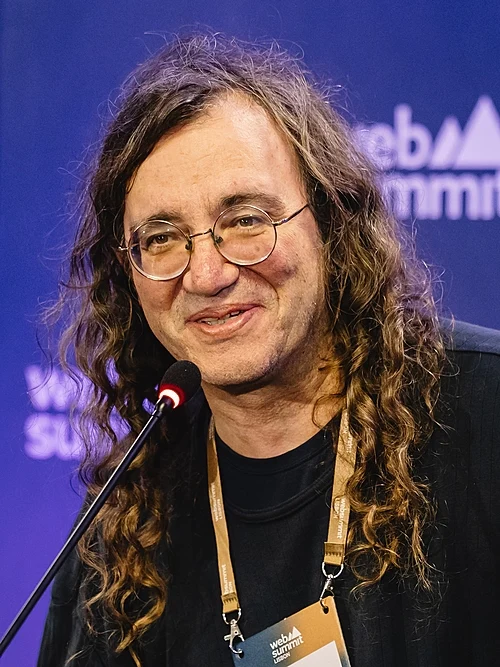
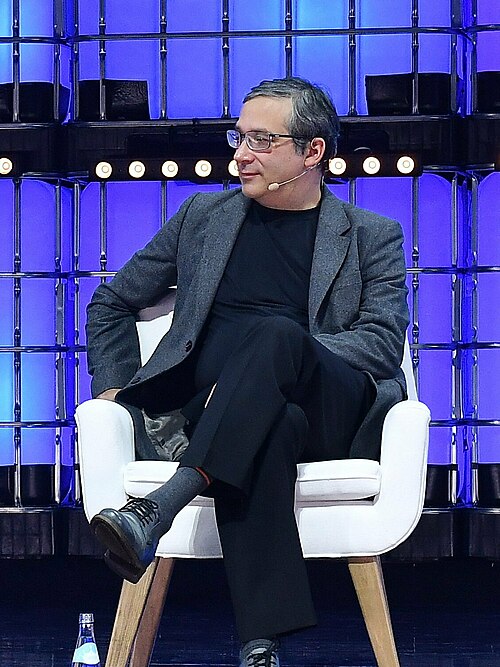
Ben Goertzel

Ben Goertzel

CEO, SingularityNET · AGI Researcher
Helped popularize the term 'artificial general intelligence' and has been building toward it since before the current deep learning boom. Founded SingularityNET to decentralize AI development on blockchain — rejecting the idea that AGI should be controlled by a handful of corporations. Believes AGI is only a few years away and will be a net positive, assisting with climate change and economic inequality. His approach combines cognitive architectures, evolutionary learning, and probabilistic logic — fundamentally different from the 'scale the Transformer' consensus. Whether he's right that AGI requires architectural diversity rather than just more compute is one of the most consequential open questions in the field.
Photo: Web Summit, CC BY 2.0
Demis Hassabis

Demis Hassabis

CEO, Google DeepMind · Nobel Laureate
Co-founded DeepMind in 2010 with the explicit goal of 'solving intelligence.' Built AlphaGo, AlphaFold (which predicted the structure of nearly every known protein), and now leads Google's combined AI research. Represents the thesis that AGI emerges from game-playing, scientific reasoning, and neuroscience-inspired architecture — not just language modeling at scale.
Photo: Royal Society, CC BY-SA 3.0
EXPANDING

Coming next: Demis Hassabis, Mark Zuckerberg, Ilya Sutskever, Fei-Fei Li, and the open-source leaders. Subscribe to get notified.

NEXT GUIDE
AI Controversy →